
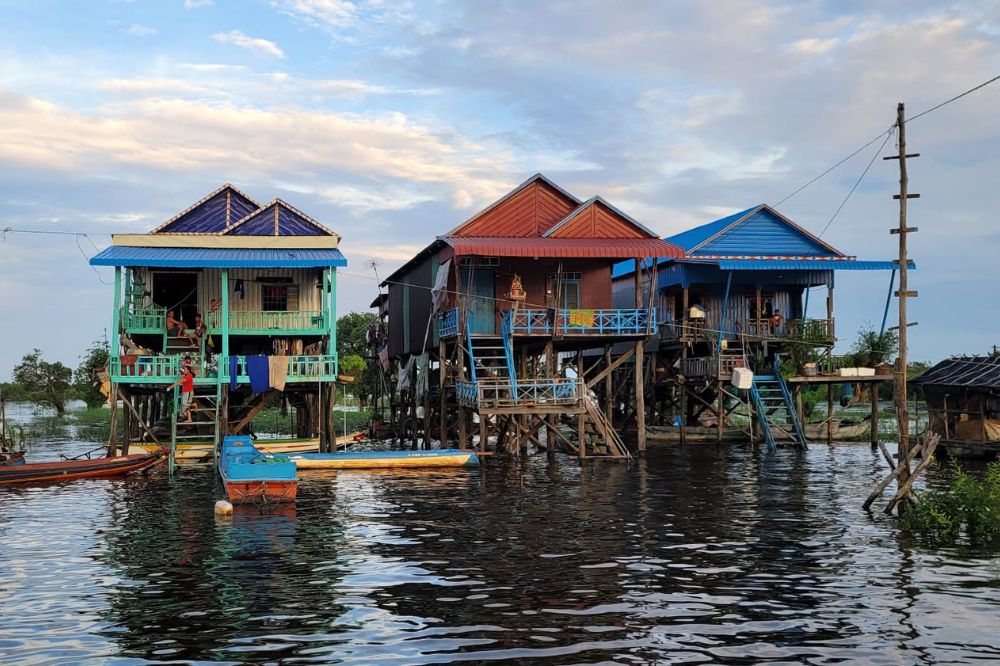
When planning a trip to Siem Reap, it is easy to let the grand stone faces of Bayon or the towers of Angkor Wat consume your entire itinerary. Yet, if you only stay within the archaeological park and the tourist hubs, you miss out on the heartbeat of modern Cambodia: its rural villages, where ancient traditions, agricultural rhythms, and legendary Khmer hospitality thrive.
Stepping into the countryside offers an entirely different layer of cultural immersion. At CWE Travel, we curate respectful, community-conscious excursions that bridge the gap between travelers and local residents, ensuring an authentic experience that leaves a positive footprint.
What to Expect on a Siem Reap Village Tour
Just a short drive or tuk-tuk ride from the city center lies a landscape dominated by emerald rice paddies, grazing water buffaloes, and traditional stilted wooden homes built to withstand the seasonal monsoon rains.
A typical day exploring the rural outskirts includes:
- Exploring Local Artisan Crafts: Witnessing generations-old techniques of weaving lotus fibers into luxury textiles, carving soapstone, or gathering sap to create organic palm sugar.
- Navigating Floating and Stilted Communities: Visiting lakeside villages like Kampong Pluk or Chong Kneas on the Tonle Sap Lake, where schools, markets, and clinics adapt completely to the water.
- The Seasonal Agricultural Cycle: Depending on the time of year, you might see farmers planting bright green seedlings, harvesting golden stalks of rice, or tending to vibrant lotus farms.
The Ethics of Community-Based Tourism
Visiting local communities requires mindfulness. True community-based tourism should never feel like an exhibition; it should feel like an equal exchange.
Our local female guides ensure that every visit respects the privacy and dignity of the villagers. We work directly with family-run initiatives, ensuring that your tour fees contribute straight to household incomes, support local schools, and fund sustainable clean-water projects. When you sit down to talk with a village elder or sample a homemade snack from a roadside stall, you are actively participating in ethical economic development.