
Walk past the stone-carved faces of Bayon temple at dawn—or slip into a quiet corner of a neighborhood wat in downtown Phnom Penh—and you’ll notice an interesting shift taking place.
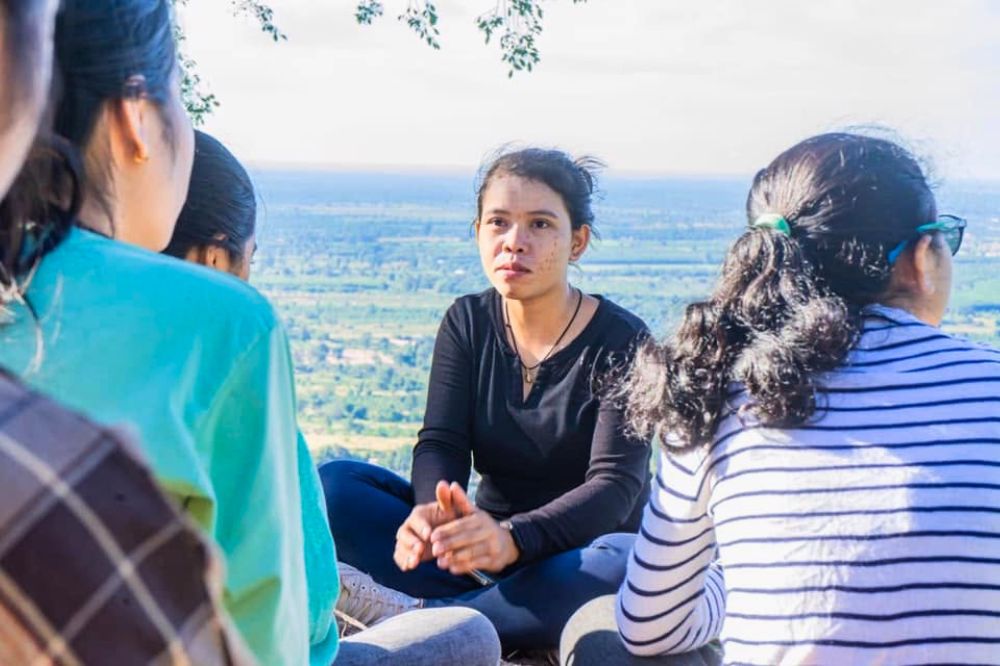
Tucked among the traditional elder devotees are young Cambodians: university students in hoodies, tech workers, and creative freelancers. They’re sitting cross-legged, eyes closed, tuning out the city noise with slow, deliberate breaths.
For Gen Z and Millennials in Cambodia, mindfulness isn’t just a trendy wellness gimmick downloaded from a smartphone app. It’s a homecoming.
Faced with fast-paced career pressure, social media fatigue, and the relentless grind of urban life, Cambodia’s youth are rediscovering traditional practices like Smot and Samatha-Vipassana (tranquility and insight meditation). What was once seen as a practice for retirees has suddenly become a powerful, science-backed sanctuary for mental and physical health.
The Modern Reality: Why Young Cambodians Are Burnt Out
Life in contemporary Cambodia moves at breakneck speed. Today’s young adults are navigating a highly competitive job market, shifting cultural expectations, and the non-stop ping of smartphone notifications.
While Western approaches to mental health are gradually gaining ground, seeking formal therapy can still carry a social stigma. Meditation gives young people a safe, self-directed space to reset—a way to recalibrate their nervous systems on their own terms without feeling labeled or judged.
The Science of Sitting Still: How Buddhist Meditation Heals Mind and Body
In Theravada Buddhism, meditation was never meant to be an escape from reality. Instead, it’s about learning to see reality as it truly is (Yatha-bhuta-nana-dassana).
When young Cambodians roll out a cushion, they aren’t just honoring tradition—they’re engaging in a practice with proven neurobiological benefits that bridge ancient wisdom and modern medicine:
1. Calming the Nervous System (Instant Stress Relief)
Practicing controlled breathwork (Anapanasati) stimulates the vagus nerve, which naturally slows your heart rate and cuts cortisol levels. It signals your body to switch off “fight-or-flight” survival mode and drop into deep physical recovery.
2. Rewiring Emotional Reactivity (Building Mental Clarity)
Central to Buddhist philosophy is Anicca—the concept of impermanence. By learning to observe racing thoughts and sudden anxiety without instantly reacting to them, practitioners train their brains to break free from emotional burnout.
3. Quieting the Inner Critic (Cultivating Metta)
Metta, or loving-kindness meditation, directly combats self-criticism. For young adults carrying heavy family and societal expectations, directing intentional goodwill toward themselves builds lasting psychological resilience.
4. Sharpening Focus and Improving Sleep
Building single-pointed concentration (Samadhi) sharpens cognitive performance for work and study. As a bonus, taming late-night overthinking helps restore healthy sleep patterns.
Bridging Cultural Heritage with Modern Self-Care
What makes this movement so compelling is how effortlessly it blends cultural pride with modern wellness.
Instead of viewing Buddhism strictly as a series of formal temple rituals reserved for older generations, young Cambodians are reclaiming it as an active, daily toolkit for personal growth. They’re spending weekend mornings at quiet pagodas, organizing youth-led meditation circles, and balancing traditional temple retreats with modern mindfulness apps.
It’s living proof that ancient wisdom doesn’t age out—it simply evolves to heal the next generation.
Want to Learn More?
Interested in exploring the intersection of mental health, holistic wellness, and youth culture in Southeast Asia? Check out our latest features on healthy living in modern Cambodia.