
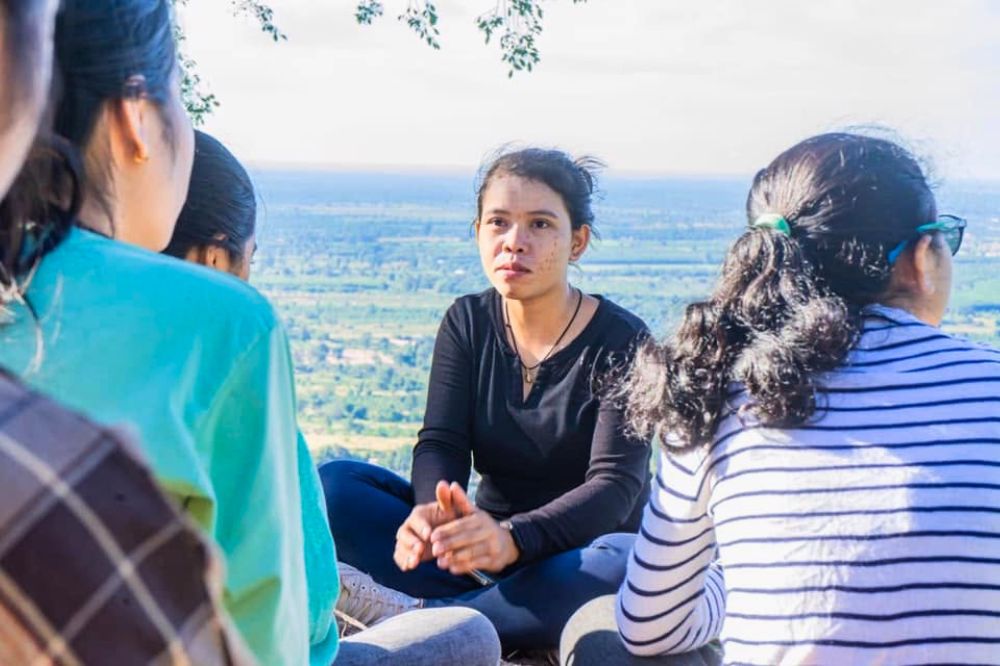
Walk past the ancient, stone-carved faces of the Bayon temple at dawn, or drop into a quiet corner of a quiet wat in downtown Phnom Penh, and you’ll notice a distinct shift. Tucked among the traditional elder devotees are young Cambodians—students in hoodies, young tech workers, and creative freelancers—sitting cross-legged with their eyes closed, taking slow, deliberate breaths.
For Gen Z and millennials in Cambodia, mindfulness isn’t just an imported wellness trend from a smartphone app. It’s a homecoming. Facing the high-speed pressure of modern career demands, social media burn-out, and urban hustle, young Cambodians are rediscovering Smot and Samatha-Vipassana (tranquility and insight meditation) as an authentic, science-backed way to protect their mental and physical health.
The Modern Reality: Why Young Cambodians Are Burnt Out
Life in contemporary Cambodia moves fast. Today’s youth navigate competitive job markets, shifting cultural expectations, and the constant digital ping of modern notifications.
While Western mental health frameworks are slowly taking root, traditional social stigma around seeking formal therapy still lingers. Meditation offers young people an accessible, self-directed sanctuary—a way to recalibrate their nervous system without feeling pathologized.
How Buddhist Meditation Heals the Mind and Body
In Theravada Buddhism, meditation isn’t about escaping reality; it’s about observing reality as it truly is (Yatha-bhuta-nana-dassana). When young Cambodians sit on the mat, they experience direct health benefits that bridge ancient wisdom with modern neuroscience:
- Controlled breathing (Anapanasati) stimulates the vagus nerve, dropping heart rates and lowering cortisol levels. It shifts the body out of “fight-or-flight” survival mode into deep physical rest.
- Rewiring Emotional Reactivity (Mental Clarity): Buddhism teaches the concept of Anicca (impermanence). By observing thoughts and emotional spikes without reacting to them, practitioners train their brains to break free from anxiety and impulsive emotional responses.
-
Metta (loving-kindness meditation) lowers inner self-criticism. For young adults carrying high societal expectations, practicing goodwill toward oneself builds genuine psychological resilience.
-
Regular single-pointed concentration (Samadhi) sharpens cognitive focus for work and study while reducing the evening overthinking that causes insomnia.
Bridging Heritage with Modern Self-Care
What makes this movement unique among Cambodian youth is how effortlessly it merges cultural identity with holistic self-care. Rather than viewing Buddhism purely as a set of ritualized merit-making ceremonies reserved for older generations, young people are reclaiming it as a practical, daily tool for personal growth.
They visit quiet pagodas on weekends, join young-led meditation circles, and use digital mindfulness tools alongside traditional temple retreats. It’s proof that ancient wisdom doesn’t expire—it simply adapts to meet the needs of every new generation.
Looking to explore more about health, mindfulness, and youth culture in Cambodia?